In-depth analysis from U.S. attorneys and immigration specialists.
After Getting a Green Card: How to Start From a State of "No Credit"
There is a problem that green card holders settling in the United States for the first time run into sooner than they expect: having no U.S. credit history.
Even for someone who worked in Korea for many years or has considerable assets and income, if there are no financial transactions on record with the U.S. credit bureaus, they often have to build a new credit record in the United States essentially from scratch.
In the United States, credit information can be used not only for credit cards and loans but across a range of economic activity, including housing rentals, auto financing, and insurance. Building credit after immigrating is therefore better understood not as a matter of getting one credit card, but as the process of laying the financial foundation for life in the U.S.
■ How a U.S. Credit Score Is Built
In the United States, three major credit bureaus — Experian, Equifax, and TransUnion — maintain individuals' credit information.
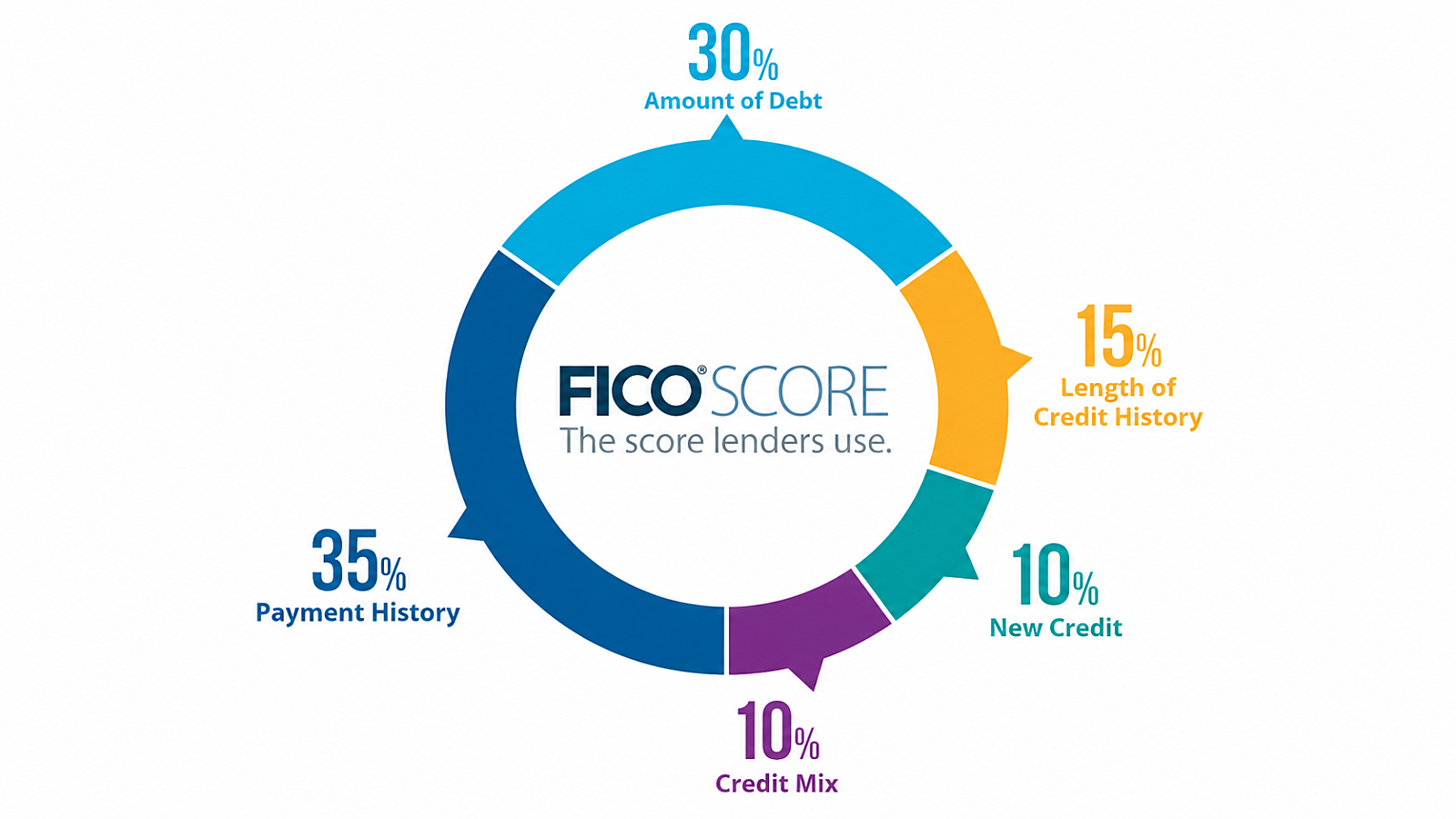
The representative scoring model built on that data is the FICO Score, generally expressed on a scale from 300 to 850.
Someone newly settled in the U.S., however, does not start with a low score. They may start in a state where there is not enough transaction history to produce a score at all — what is commonly called "No Credit" or a "Thin Credit File."
For a FICO Score to be generated, there generally must be at least one account open for six months or longer, and an account reported to the credit bureaus within the last six months.
Right after arriving in the U.S., then, the first goal should not be producing a high score but creating a normal record of credit activity so that scoring becomes possible at all.
■ Step 1: Create Your First Record With a Secured Credit Card
For a green card holder with no U.S. credit history, one of the most practical ways to start is a secured credit card.
An ordinary credit card assigns a limit based on the applicant's existing credit history, whereas a secured credit card is structured so that you place a deposit and receive a card based on it.
For example, you might place a $500 deposit, receive a corresponding credit limit, then use the card each month and pay it off normally.
What matters is not using the card heavily. It is creating a record showing that you used the credit card consistently and met the payment obligation precisely.
Early on, it is effective to build a simple pattern: put part of your living expenses on the card and pay the statement balance in full by the due date every month.
■ Step 2: Make "Never Being Late" Your Most Important Rule
One of the most important factors in credit management is payment history.
There is a caveat here. Being one day past the due date does not mean it is immediately reported to the credit bureaus as delinquent. Generally, delinquency that affects a credit report becomes an issue once a payment is 30 or more days late.
That said, missing the due date can trigger late fees from the card issuer or other disadvantages in how the account is handled, so it is best to manage things so that no delinquency occurs in the first place.
The simplest method is to set up autopay.
In the early stage of settling in the U.S. especially, the number of due dates to manage — bank accounts, rent, mobile phone, insurance, utilities — grows quickly, so using autopay can greatly reduce the chance of an accidental late payment.
■ Step 3: Do Not Use Too Much of Your Card Limit
Just as important as paying your credit card on time is the credit utilization ratio — the amount used against the credit limit.
For example, if your card limit is $1,000 and your current balance is $800, a lender may see you as using a substantial portion of the credit extended to you.
You will often hear the advice to keep utilization under 30 percent, but 30 percent is not an absolute threshold. Generally, the lower the utilization, the more favorable it can be for managing your score.
Early on, when the limit is low, even modest living expenses can push utilization up, so this deserves attention.
The goal is not to avoid using the card. It is to keep building a continuous record of using it, managing it, and repaying it normally.
■ Step 4: A Credit Builder Loan Can Also Be an Option
Beyond credit cards, there is also the option of using a credit builder loan.
With an ordinary loan you borrow the money first and repay it afterward, but depending on the institution, a credit builder loan may be structured so that the loan amount is held in a separate account and the applicant receives those funds after repaying in installments over a set period.
When the resulting record of normal repayment is reported to the credit bureaus, it can help build a credit history.
That said, there is no need to take on unnecessary interest and fees purely to raise a score. If a secured credit card alone is enough to manage your credit, an additional loan is not required.
■ Step 5: Utility and Phone Bills Can Help as a Supplement
Paying electricity, gas, water, internet, and mobile phone bills on time does not necessarily mean they are automatically reported to the three major credit bureaus the way a regular credit account is.
Using a service such as Experian Boost, however, allows a record of on-time payments for certain utilities, mobile phone, internet, and rent to be added to your Experian credit file.
There are limits to what such services can do.
Experian Boost works by affecting certain scores that are based on the Experian credit file, so it does not improve your Equifax or TransUnion records in the same way. Nor does every lender use scores calculated that way.
These services are therefore better understood as a way to supplement an early credit record rather than a substitute for normal credit card and loan activity.
■ There Is Also a Way to Use a Spouse's Good Credit Record
If a spouse or other family member has already maintained good credit in the U.S. for a long time, being added as an authorized user on that credit card is another option to consider.
Where the card issuer reports authorized user information to the credit bureaus, that account's record can be reflected in your own credit file as well.
It is not unconditionally advantageous, however.
If that card carries very high utilization or has a poor record such as late payments, you may not get the effect you hoped for, so it is best to confirm the account's condition and the issuer's reporting policy before making use of it.
■ Do Not Apply for Several Cards at Once Trying to Build Credit Fast
When you first settle in the U.S., it can be tempting to apply for several cards at once in order to raise your score quickly.
But applying for a credit card or loan can prompt a lender to run a hard inquiry, and multiple hard inquiries in a short period can have a negative effect on your score.
Checking your own credit report, by contrast, generally counts as a soft inquiry and does not lower your score.
Early on, then, it is more important to keep one or two easily managed accounts stable and accumulate length of credit history than to push up the number of financial products you hold.
■ The Habit of Checking Your "Credit Report" Matters as Much as the Score
Many people check only the credit score expressed as a number, but you should also manage the credit report, the underlying data that produces that score.
The major U.S. credit bureaus accumulate information on an individual's credit cards, loans, payment history, and account status.
It is therefore worth checking your credit report periodically to confirm there are no accounts you did not open, incorrectly reported late payments, or errors in your personal information.
In the early stage of settling in the U.S. especially, your identifying information — name, address, Social Security Number — is newly registered with many financial institutions, so it is important to build the habit of confirming that your credit file is forming properly.
■ Getting a Green Card Is the Starting Point of Financial Life in the U.S.
Obtaining a green card does not automatically create good credit.
Conversely, having no credit history in the U.S. is not a reason your financial life has to begin under difficult conditions.
Even starting with a small-limit credit card, if you pay without ever being late, manage your utilization appropriately, and keep the account in good standing over a long period, a credit record steadily accumulates.
In the end, the key to building good credit in the U.S. is not a special financial technique. It is time and consistency.
If you are preparing to settle in the U.S. after obtaining a green card, it is worth including in your initial settlement plan not only opening a bank account and getting a driver's license, but also when and how you will begin building a credit record.
As you broaden your economic base in the U.S. — buying a car, renting a home, later purchasing a home through a mortgage — the value of a good credit record only grows.
If a green card is the process of establishing the legal foundation for living in the United States, credit management can be called the process of building the economic foundation that follows.
U.S. attorneys and immigration specialists review your case in detail and recommend the best path forward.
