In-depth analysis from U.S. attorneys and immigration specialists.
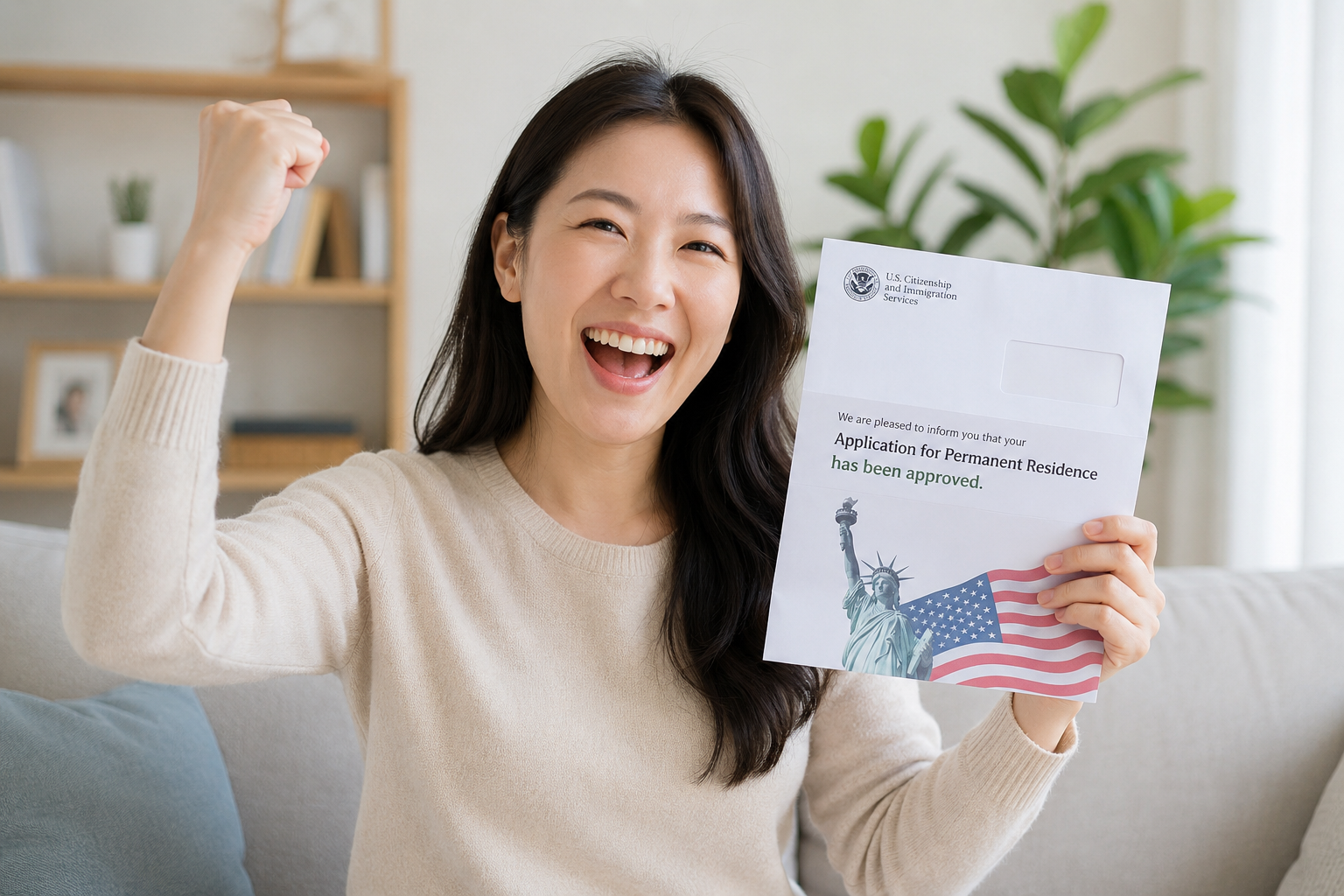
An Unconventional NIW Case, Real Obstacles, and Communication That Led to Green Card Approval
Some immigration success stories seem simple from the outside.
A client files an NIW petition. The case is approved. Later, the Adjustment of Status application is approved. The family receives green cards.
But behind many successful cases lies a much more detailed story. There are moments when the case stalls, when the client is unsure what information matters, when a minor inconsistency needs to be handled carefully, or when travel plans create scheduling conflicts with USCIS appointments.
This case was one of those stories.
Our client held a master’s degree in construction management. He was not a traditional academic researcher, and his case was not built around publications, citations, patents, or laboratory research. Instead, he was an experienced industry professional whose value stemmed from years of hands-on work on major construction projects in several different countries, including projects related to electric vehicle manufacturing plants.
At the time of his case, he was already in the United States on an L visa. His wife and child had also settled into life in the U.S., and his daughter was attending U.S. schools and beginning to look ahead toward U.S. college opportunities. For this family, the green card process was not just about immigration status on paper. It was about whether they could continue the life they had already begun to build in the United States.
■ The Challenge: A Strong Professional Background, But a Stalled Case
From the outset, we knew the client had a strong professional background. His work involved large-scale construction projects, international coordination, and practical experience in areas related to U.S. industrial development, including electric vehicle manufacturing facilities.
However, this was not the type of NIW case where the evidence speaks for itself through citation counts, patents, or academic metrics. The central challenge was demonstrating why his industry experience was important to the United States and why he was well-positioned to continue contributing through his proposed endeavor.
This is a very common issue for industry professionals.
Many accomplished individuals know that their work is important, but they struggle to articulate that importance in the language required for an NIW petition. They may have a thorough understanding of their projects, responsibilities, and technical roles, but when asked to explain why their work is of national importance or how their career supports a proposed future endeavor, they often find it difficult to articulate their answers.
■ That’s exactly what happened here.
The client had trouble determining what kind of information to provide for the recommendation letters. He was not neglecting the case or lacking qualifications. The problem was that he did not know how to translate his experience into the type of evidence and explanation that would support an NIW petition.
As a result, there was a period of inactivity.
Rather than letting the case remain stalled, we continued communicating with him and eventually scheduled a phone conference. That conversation became one of the most important turning points in the case.
■ The Turning Point: A Conversation That Changed the Direction of the Case
During the conference call, we discussed the role of recommendation letters, what they needed to accomplish, and how they should support the broader NIW strategy. We also decided to reduce the number of recommendation letters to ease the burden on the client.
Together, we reviewed the list of potential recommenders and identified which individuals would be most helpful for the petition. We also explained that our recommendation letter questionnaires did not need to be written as if they were final drafts, so the client would not feel overwhelmed by the amount of information being requested.
At that stage, I did not need the client to provide perfect answers. I did not need fully polished explanations. I just needed enough concepts, examples, and direction so that I could draft the letters properly and prepare drafts for review.
Once the client provided additional information, I was able to move the case forward again.
I researched the recommenders, reviewed their professional backgrounds, and identified which aspects of their experience should be emphasized to demonstrate why they were credible voices for this case. I also examined what they had in common with the client and how their own professional perspectives could support the proposed endeavor.
The recommendation letters were then drafted from each recommender’s point of view. The letters did not simply state that the client was hardworking or experienced. They explained why his proposed endeavor was important to the United States and why his background made him well-suited to carry it out.
Ultimately, the letters were signed without the need for any major revisions.
This served as an important reminder that in many NIW cases, the attorney’s role is not merely to organize documents. It also involves helping the client find the right words to convey the value of their own work.
■ NIW Approval Without an RFE
After the recommendation letters and supporting materials were finalized, the petition was organized and prepared for filing.
The NIW petition was submitted via Premium Processing in May 2025 and was approved in June 2025 without a Request for Evidence.
This was an excellent outcome, especially since the case did not rely on the traditional academic profile that many people associate with NIW petitions. There were no citations to rely on. There were no patents. Instead, the case depended on a careful presentation of industry experience, project impact, future plans, and credible recommendation letters. This case truly highlighted the importance of clear and persuasive writing, as we lacked the typical evidence commonly found in research profiles.
Everyone was pleased with the approval, but the process was not over.
Since the client and his family were already living in the United States, the next major step was Adjustment of Status.
■ The Adjustment of Status Stage: Still Nerve-Racking Even After NIW Approval
While the NIW approval was the most challenging legal milestone, for the family, the Adjustment of Status stage remained both crucial and highly stressful.
When the Visa Bulletin became current in March 2026, we began working closely with the client on the I-485 application package. This stage required careful attention because the outcome would determine whether the client and his family could officially continue their lives in the United States as permanent residents. As it happened, the client was temporarily back in South Korea, so we scheduled an in-person meeting to discuss the requirements, how to proceed, and what to expect for this next stage.
We prepared the Adjustment of Status materials in detail. The medical examination results needed to be included with the application, and passport-style photographs were also required.
Rather than asking the client to send these items to us via international mail—which could have caused delays, incurred additional costs, and posed the risk of important documents being lost in transit—we coordinated with the client so that the final package could be mailed from within the United States. This saved time, reduced unnecessary international mailing fees, and helped prevent avoidable risks.
There was also significant communication throughout this stage because the client and his family were in the United States on an L visa. We discussed how the NIW petition, the I-485 application, and routine international travel could affect the process. Since his work and family circumstances involved travel, it was important to manage the timing carefully and avoid unnecessary complications.
■ Addressing Issues Before They Became Problems
During the preparation for the I-485 application, we discovered a discrepancy regarding the client’s place of birth.
This discrepancy had not been apparent during the NIW petition stage because the specific civil documents containing that information were not required for the NIW filing. By the time we reviewed those documents for the Adjustment of Status application, the earlier I-140 petition had already been submitted with different information.
We could not simply “correct” what had already been filed at the I-140 stage. Instead, we proactively pointed out the discrepancy in the I-485 filing so that USCIS would have a complete and transparent record.
Such an issue may seem minor, but in an immigration case, consistency and full disclosure are crucial. Our goal was to ensure the application was as accurate and complete as possible from the start, rather than allowing questions to arise later.
There was also a minor traffic violation that needed to be disclosed. While it wasn’t a problem for the case, it still needed to be handled correctly. We reviewed it, disclosed it, and ensured the application remained accurate and complete.
The client and I exchanged many emails and made several refinements to the application. We both understood that taking the time to get things right before submission could help prevent delays later on.
■ Biometrics, Travel, and Timing
After the I-485 application was submitted, the client received a notice for a biometrics appointment.
However, the original appointment date conflicted with a short trip the client needed to take to Korea. This created another timing issue. Biometrics appointment notices can be scheduled very close to the appointment date, so when rescheduling is needed, time is of the essence.
The client had to submit the rescheduling request himself, but I guided him immediately after we received the notice so he could take the necessary steps without delay. As a result, the biometrics appointment was completed ahead of the original schedule, allowing the client to visit South Korea as planned.
Seven days before final approval, we received confirmation that the interview had been waived.
Then, exactly 90 days after USCIS received the Application to Adjust Status, the case was approved.
■ The Result: More Than Just an Approval
This case concluded with an excellent outcome: NIW approval without an RFE, followed by approval of the Adjustment of Status exactly 90 days after USCIS received the application.
But the true significance of the approval went far beyond the timeline.
This client was already living in the United States. His wife and child had already settled into their daily lives there. His daughter was attending a U.S. high school, had made friends since middle school, and was excited about soon starting college in the United States. The family wasn’t simply waiting for an immigration benefit. They were waiting for confirmation that the life they had built could continue.
Even though the NIW had already been approved the previous year, the Adjustment of Status process still carried significant emotional weight. Until the green card was approved, the family did not have final certainty.
Throughout the process, there were obstacles. The case stalled during the recommendation letter stage. There were travel-related questions regarding L visa status. There was a discrepancy regarding the place of birth that had to be disclosed carefully. There was a traffic violation that required an explanation. There was a scheduling conflict for biometrics that required quick action.
None of these issues became major problems because we communicated consistently and addressed them before they could cause unnecessary delays.
Ultimately, this case was not merely about preparing forms or submitting documents. It was about working closely with the client through every stage of the process, understanding his professional background, helping him articulate the value of his work, managing the practical issues that arose, and safeguarding the family’s long-term plans in the United States.
For this family, the approval meant relief.
It meant their daughter could continue planning her education in the United States. It meant the family could look to the future without the uncertainty of temporary status. It meant that the United States was no longer just a place where they were working and studying for the time being.
It became the place where they could officially settle down as permanent residents.

U.S. attorneys and immigration specialists review your case in detail and recommend the best path forward.
